The question is no longer whispered in academic corners. It is now being asked openly by students, parents, and even employers across Nigeria. In a country where technology is rapidly redefining how people learn, work, and build careers, many are beginning to wonder whether the West African Examinations Council still holds the same weight it once did.
For decades, WAEC has been a defining milestone. It has shaped academic journeys, determined university admissions, and acted as a benchmark for educational achievement across West Africa. Established in 1952, the examination body has maintained a reputation for credibility and standardisation across multiple countries.
Yet, the ground beneath it is shifting. Nigeria’s education system is no longer operating in isolation from global trends. Technology is rewriting the rules. Digital skills are becoming more valuable than memorised knowledge. Employers are beginning to prioritise what candidates can do over what certificates they hold.
So the real question is not whether WAEC is irrelevant today. It is whether it risks becoming irrelevant if it fails to evolve fast enough.
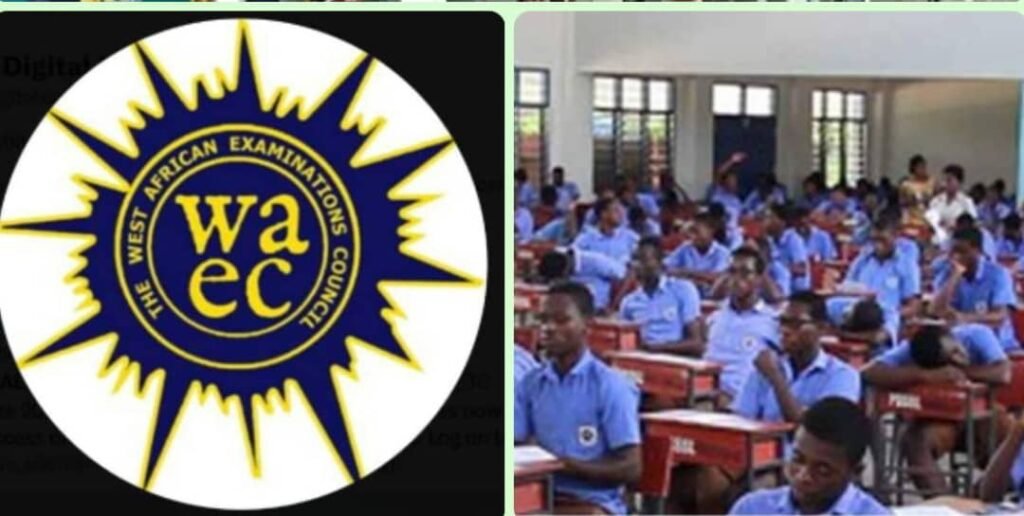
A System Built for Yesterday’s World
WAEC was designed for a time when education followed a clear, linear path. Students moved from secondary school to university, and from there into structured careers. Success depended heavily on passing standardised examinations.
That system worked in a slower, more predictable world. But today’s Nigeria is anything but predictable.
Technology has democratised learning. A teenager in Lagos or Enugu can now learn coding, graphic design, or data analysis online without ever stepping into a formal classroom. Platforms and edtech solutions are providing curriculum-based content, exam preparation tools, and even career pathways outside traditional education.
At the same time, digital transformation is accelerating across industries. From fintech to agriculture, employers are increasingly looking for practical skills. According to broader trends in Nigeria’s education sector, technology is already addressing challenges like limited resources and overcrowded classrooms while expanding access to knowledge.
This creates a disconnect. WAEC still largely measures a student’s ability to recall information under exam conditions. But the modern economy rewards problem-solving, creativity, and digital competence.
It is not that WAEC is useless. It is that the world it was built for is changing faster than the system itself.
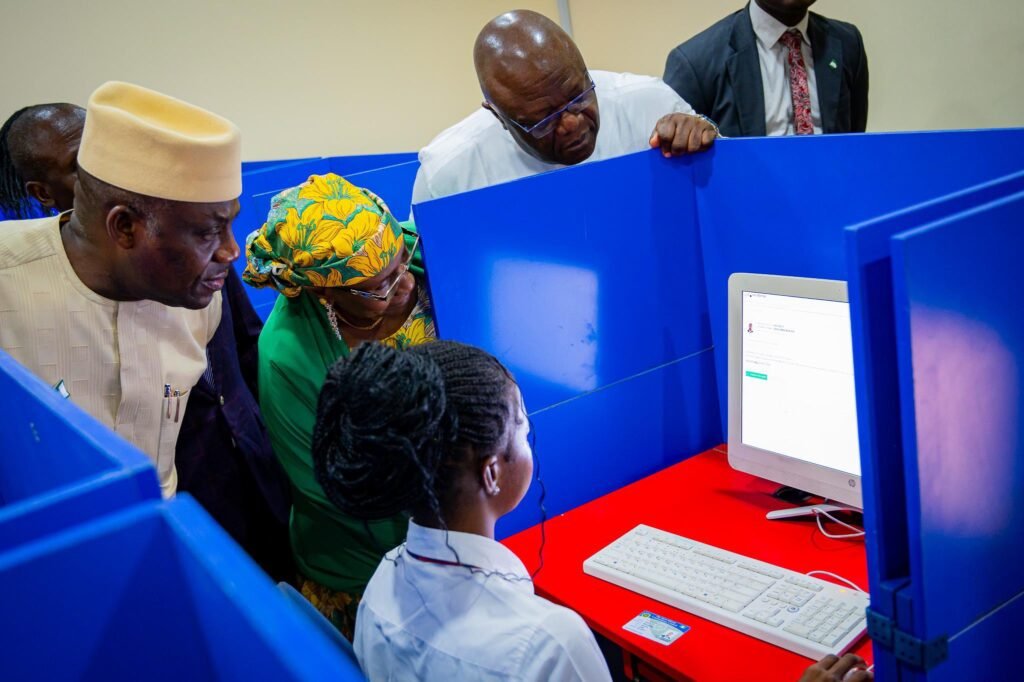
WAEC’s Digital Shift and the Fight to Stay Relevant
To its credit, WAEC is not ignoring these changes. The planned transition to computer-based testing by 2026 is one of the most significant reforms in its history.
The move is intended to align examinations with global standards, improve efficiency, and reduce malpractice. It also introduces students to digital environments early, helping them build confidence with technology.
More importantly, this shift signals something deeper. It shows that WAEC understands the urgency of staying relevant in a tech-driven world.
Experts argue that computer-based exams could do more than modernise testing. They could act as a catalyst for broader investment in digital infrastructure across schools. If implemented properly, this could improve access to technology for millions of students.
There are also practical benefits. Stakeholders believe that digitisation could reduce exam malpractice and speed up result processing, two long standing challenges in Nigeria’s examination system.
However, the transition is not without concerns. Nigeria still faces serious infrastructure gaps. Many schools lack reliable electricity, internet access, and functional computer labs. Critics warn that without careful planning, the shift could widen inequality between urban and rural students.
WAEC insists that no student will be left behind and that measures are being put in place to ensure inclusivity.
The success of this digital transformation will likely determine whether WAEC remains relevant or becomes a legacy institution struggling to keep up.
Beyond Exams What the Future Really Demands
Even if WAEC fully digitises its examinations, a deeper question remains. Is changing the format enough?
The future of education is not just about how exams are written. It is about what is being assessed in the first place.
Nigeria is already investing heavily in digital skills development. Initiatives like the 3 Million Technical Talent Programme aim to train millions of young Nigerians in areas such as software engineering, data science, and cybersecurity.
Innovation hubs are emerging across the country, creating spaces where young people can learn, build, and launch ideas outside traditional academic systems. These ecosystems are redefining what it means to be educated.
In this context, WAEC’s role may need to evolve beyond certification. It may need to become a platform that assesses real world skills, not just theoretical knowledge.
Imagine an examination system that evaluates coding ability, critical thinking, collaboration, and creativity. Imagine a system where students are tested on solving real problems rather than reproducing textbook answers.
That is the direction the world is heading.
If WAEC remains focused solely on traditional assessment models, it risks becoming less relevant to both students and employers. But if it expands its scope to include digital competencies and practical skills, it could become even more important than it is today.

The Verdict: A System at a Crossroads
So, is WAEC becoming irrelevant in Nigeria’s tech-driven future?
Not yet. But it is standing at a crossroads.
On one side is the past. A system rooted in tradition, standardisation, and paper-based evaluation. On the other side is the future. A fast-moving, technology-driven world where skills matter more than certificates.
WAEC has already taken a bold step toward that future with its planned digital transformation. But relevance will depend on more than adopting computers. It will depend on rethinking what education means in the first place.
For millions of Nigerian students, WAEC is still a gateway. It still opens doors to higher education and opportunities. But the nature of those opportunities is changing.
The real challenge is not whether WAEC survives. It is whether it can reinvent itself to remain meaningful in a world that no longer waits for slow systems to catch up.
In the end, WAEC does not have to become irrelevant. But staying relevant will require courage, innovation, and a willingness to redefine its own legacy.
Join Our Social Media Channels:
WhatsApp: NaijaEyes
Facebook: NaijaEyes
Twitter: NaijaEyes
Instagram: NaijaEyes
TikTok: NaijaEyes