

On 19 March 2026, the global education community came together to mark the International Day for Digital Learning, a milestone occasion that highlights how digital tools and resources are transforming education for learners everywhere. This year’s celebration, spearheaded by the United Nations Educational, Scientific and Cultural Organization (UNESCO), put a spotlight on one central idea: creating and strengthening digital learning environments that support public education in meaningful, inclusive and equitable ways.
Across the world, schools, governments and education advocates gathered to explore how to build trusted digital spaces that boost public learning outcomes and help students, teachers and families engage more deeply with knowledge, skills and opportunities in the 21st century. This event recognised not just technological progress but also the urgency to ensure that digital learning does not leave anyone behind.

A Global Dialogue on Digital Learning
Since its designation by UNESCO Member States in 2023, the International Day for Digital Learning has become an essential annual moment for educators, policymakers and civil society to engage in a shared conversation about digital education. The observance celebrates the innovative ways that technology is being used to enhance learning while also addressing the serious challenges that can come with introducing technology into classrooms and communities.
In many parts of the world, educators and learners still struggle to find trustworthy digital resources. Students may not know where to access online help for their lessons, teachers may lack vetted digital tools to support instruction, and parents can feel unsure about how best to guide their children in digital spaces. This year’s International Day for Digital Learning acknowledged these challenges while also showcasing success stories that demonstrate how digital platforms can be harnessed to improve education for all.
UNESCO organised and supported events around the globe, bringing focus to how countries, regions and local school systems are building “digital commons”—shared online spaces and tools designed to enrich public education and expand access to learning resources. These digital commons are collaborative efforts, often involving government bodies, educators, community organisations and international partners.
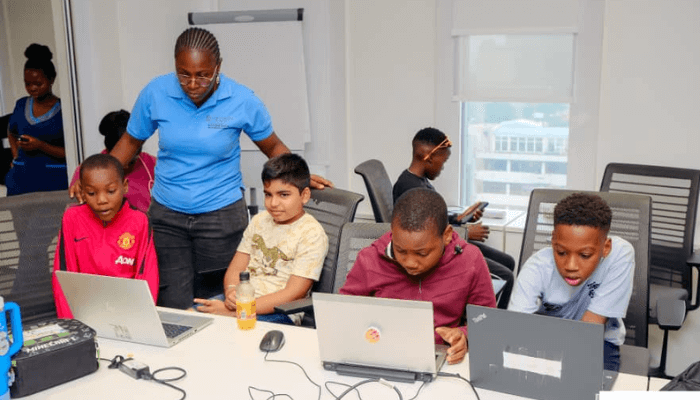
Building Digital Futures for Public Education
The theme for this year’s celebration was “Building digital futures for public education,” and it captured the urgency of planning for an education system that is fit for the future while rooted in inclusion, equity and quality. UNESCO partnered with the United Nations Children’s Fund (UNICEF) and the International Telecommunication Union (ITU) to lead discussions and initiatives that help guide countries as they adapt to a rapidly changing world.
A major highlight of events in Helsinki, Finland, was the launch of the Charter for Public Digital Learning Platforms, a collaborative framework meant to guide the design, governance and continuous improvement of digital learning platforms that serve public education. This Charter was presented by leaders from UNESCO, UNICEF and ITU alongside representatives from countries and organisations involved in the digital education space.
The Charter aims to ensure that digital learning platforms are safe, reliable and truly useful for learners and educators. There is growing recognition that investing in digital learning is not simply about access to hardware and software. Education systems must also think carefully about how these tools are developed, who steers their direction, and how they can be used in ways that uphold educational values and support lifelong learning for all.
Opportunities and Challenges for Education in the Digital Era
Digital learning opens up opportunities for creativity, personalised instruction and broader access to information. For learners in areas where traditional resources are scarce, digital tools can provide access to quality content and allow students to explore topics far beyond textbooks. Educators can use digital platforms to share teaching resources, design interactive lessons and engage with learners in ways that were not possible before. These advancements show how technology can be a powerful ally to education when thoughtfully and equitably applied.
Yet the promise of digital learning goes hand in hand with serious challenges, especially in contexts where infrastructure, training and support are limited. In many regions, gaps in internet connectivity and access to devices continue to prevent students from fully benefiting from digital tools. There is also a need for effective policies and strategies that help schools and communities integrate digital technologies in ways that enhance, rather than disrupt, learning.
To address these challenges, the International Day for Digital Learning invited stakeholders to share ideas, highlight innovative practices and reflect on strategies that can lead to more inclusive and sustainable digital education. Discussions explored how investments in digital learning can be aligned with broader educational goals, such as ensuring quality teaching, promoting lifelong learning and strengthening community involvement.

A Shared Vision for the Future
As the world observes the International Day for Digital Learning each year, there is a growing sense that digital learning must be guided by values that put people first. Technology should help bridge gaps and expand opportunities, not widen inequalities or create new barriers to learning. UNESCO’s efforts have stressed that digital learning must be rooted in human-centred approaches that respect cultural contexts, support educators and empower learners of all ages.
The celebrations and activities of 19 March 2026 offered a platform for countries to reaffirm their commitment to building digital futures that support public education for all. It highlighted inspiring examples of how digital tools have enriched education systems and helped learners achieve their goals. At the same time, it also reinforced the work that remains to be done, especially in ensuring that the benefits of digital learning are shared widely and fairly.
For many students, teachers and families, digital learning is already part of daily life. The International Day for Digital Learning provides an opportunity to recognise this reality, reflect on shared lessons and look ahead with determination. As the global education community continues to innovate, the hope is that public education will be strengthened by digital solutions that are safe, equitable and designed with learners at the centre.
Join Our Social Media Channels:
WhatsApp: NaijaEyes
Facebook: NaijaEyes
Twitter: NaijaEyes
Instagram: NaijaEyes
TikTok: NaijaEyes