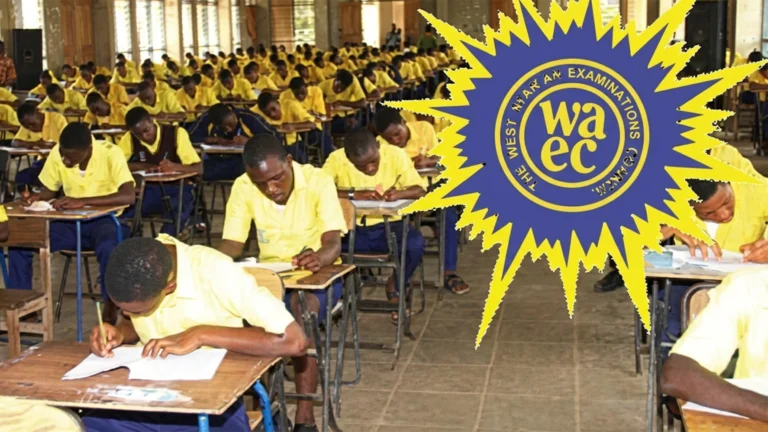
Nigeria is facing a quiet but deeply consequential crisis, one that is unfolding inside overcrowded classrooms and under-resourced schools across the country. At the centre of it is a widening shortage of teachers, especially at the foundational primary school level, and the implications stretch far beyond education into the future of the nation’s workforce, economy and global competitiveness.
Recent data shows that Nigeria is grappling with a deficit of nearly 200,000 primary school teachers, a gap that is already placing immense pressure on the public education system. This shortage is not just a statistic. It represents millions of children who are either not receiving quality instruction or are learning in environments that make effective education nearly impossible.
With a population estimated at over 226 million people and about 70 percent under the age of 30, Nigeria is often described as a country sitting on a demographic advantage. However, that potential dividend is increasingly at risk of turning into a liability if the education system cannot adequately prepare young people for the demands of a modern economy.
A Growing Crisis Inside Nigerian Classrooms
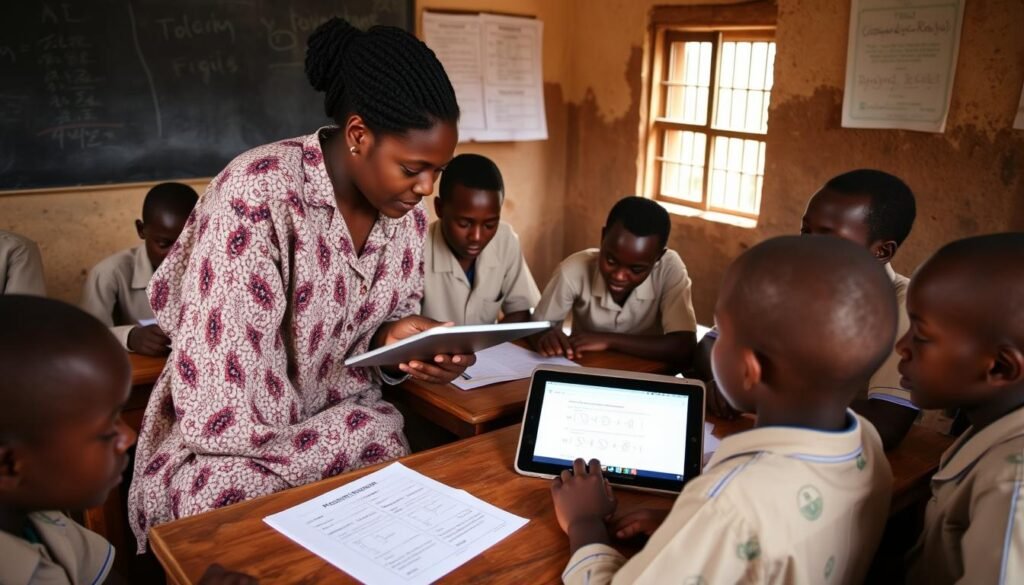
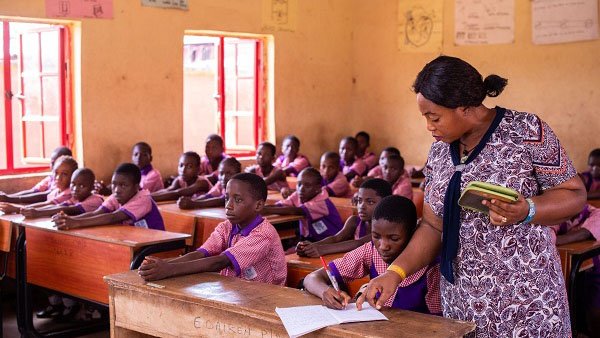
Across many public schools in Nigeria, classrooms are becoming increasingly overcrowded, with a single teacher sometimes responsible for dozens, if not hundreds, of pupils. This imbalance is eroding the quality of education at its most critical stage, where foundational literacy, numeracy and cognitive skills are meant to be developed.
The shortage is driven by a combination of factors. Rapid population growth and rising school enrolment have outpaced the recruitment and training of teachers. At the same time, limited government investment, delayed salaries, and poor working conditions continue to discourage young graduates from entering or remaining in the teaching profession.
Even where teachers are available, disparities in qualifications persist. In many parts of the country, especially in rural areas, schools rely on underqualified or untrained personnel due to the inability to attract certified educators. This further compounds the learning crisis, as students are not equipped with the skills they need to progress academically or compete globally.
The situation has reached a point where policymakers are raising alarm. Nigeria’s Minister of Education has warned that the shortage of qualified teachers is undermining efforts to produce graduates capable of competing on the global stage, calling for increased funding and urgent reforms.
Why Teacher Shortage Is an Economic Threat
While the immediate impact of teacher shortage is seen in classrooms, its long-term consequences are far more far-reaching. Education is the backbone of human capital development, and any weakness at the foundational level inevitably affects the quality of the workforce.
When students pass through the system without a strong basic education, they are more likely to struggle in higher education and the workplace. This creates a ripple effect, resulting in a workforce that lacks critical thinking, technical skills and adaptability.
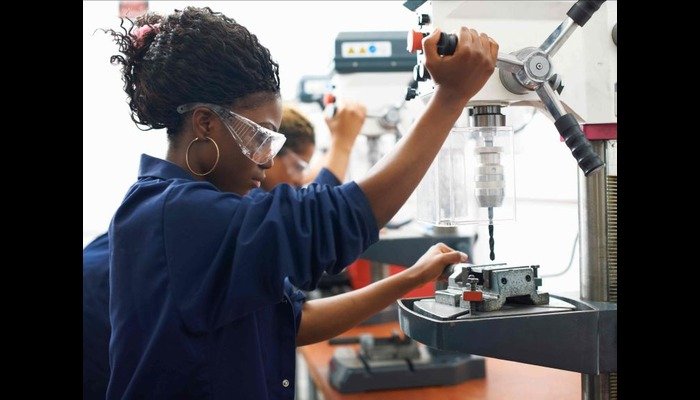
Nigeria is already contending with a skills gap across key sectors, from technology to manufacturing. Programmes like the Industrial Training Fund were established to address this gap by equipping citizens with practical skills, but these efforts are undermined when the foundational education system is weak.
The teacher shortage also feeds into the broader issue of unemployment and underemployment among young people. Although millions enter the labour market every year, many lack the competencies required by employers, leading to a mismatch between education and industry needs.
In addition, the ongoing trend of skilled professionals leaving the country, often referred to as brain drain, further complicates the situation. As experienced educators and professionals migrate in search of better opportunities, the domestic system loses valuable expertise that could have strengthened teaching capacity and mentorship.
The Structural Issues Behind the Shortfall
At its core, Nigeria’s teacher shortage is not just about numbers. It is a reflection of deeper structural challenges within the education sector.
One of the most significant issues is inadequate funding. For years, education budgets have fallen below international benchmarks, limiting the ability of governments to recruit, train and retain teachers. This underinvestment affects everything from infrastructure to teaching materials and professional development opportunities.
Another critical factor is the perception of teaching as a less attractive career. Low remuneration, limited career progression and poor societal recognition have made the profession less appealing to young graduates. As a result, fewer people are entering teacher training programmes, and many who do eventually leave for better-paying roles in other sectors.
Security challenges in certain regions also play a role. Schools in areas affected by conflict or instability often struggle to attract and retain teachers, further widening the gap between urban and rural education quality.
There is also the issue of policy implementation. While Nigeria has a structured education system with federal and state responsibilities, inconsistencies in policy execution across regions contribute to uneven outcomes. Without a coordinated and sustained approach, efforts to address teacher shortages risk being fragmented and ineffective.
Pathways to Recovery and Sustainable Solutions
Addressing Nigeria’s teacher shortage requires more than short-term fixes. It calls for a comprehensive strategy that tackles both immediate gaps and long-term systemic issues.
First, there is a need for increased and sustained investment in education. Allocating more resources to teacher recruitment, training and welfare can help attract and retain qualified professionals. Competitive salaries, timely payments and clear career pathways are essential to restoring confidence in the profession.
Second, teacher training institutions must be strengthened to produce graduates who are not only knowledgeable but also equipped with modern teaching methods. Continuous professional development should also be prioritised to ensure that teachers remain effective in a rapidly changing world.
Third, technology can play a supportive role. Digital learning tools and remote teaching platforms can help bridge gaps in areas with acute teacher shortages, although they cannot fully replace the role of a trained educator in the classroom.
Community and private sector involvement is equally important. Partnerships with organisations and initiatives that support education can help supplement government efforts, especially in underserved areas.
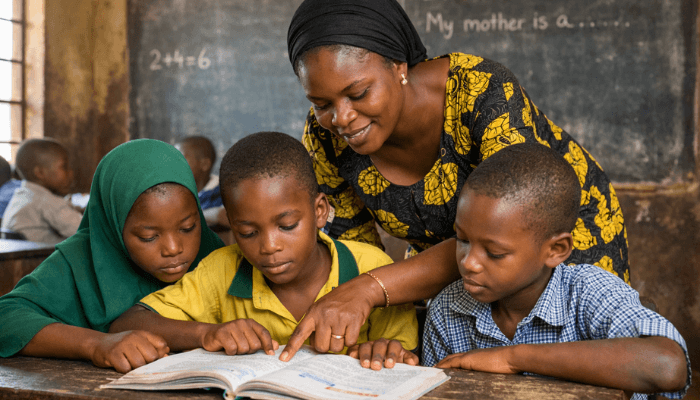
Finally, there must be a deliberate effort to elevate the status of teachers in society. Recognising and rewarding their contributions can shift public perception and encourage more young people to consider teaching as a viable and respected career.
Nigeria stands at a critical crossroads. Its youthful population offers immense potential, but without a strong education system anchored by qualified teachers, that potential may remain unrealised. The teacher shortage is not just an education issue. It is a national development challenge that demands urgent and sustained action.
If addressed effectively, it could unlock a new era of growth driven by a skilled and capable workforce. If ignored, it risks undermining the very foundation of the country’s future.
Join Our Social Media Channels:
WhatsApp: NaijaEyes
Facebook: NaijaEyes
Twitter: NaijaEyes
Instagram: NaijaEyes
TikTok: NaijaEyes