The Lagos State Government has taken another decisive step towards reshaping classroom teaching, as it begins large-scale training for teachers in artificial intelligence and digital learning tools. The initiative signals a broader ambition to modernise education delivery and prepare both teachers and students for a rapidly evolving digital world.
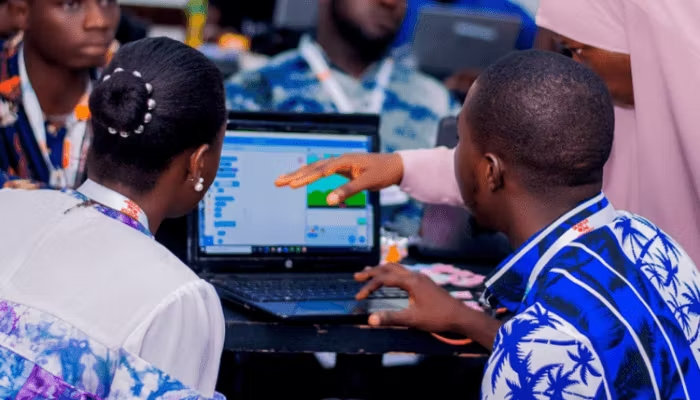
According to a report by Daily Post Nigeria, the programme focuses on equipping educators with practical skills that go beyond traditional teaching methods. Teachers are now being encouraged to integrate artificial intelligence, digital pedagogy, and problem-solving approaches into everyday classroom practice.
What stands out in this development is not just the introduction of new technology, but the shift in mindset it demands. For many teachers, this is about moving from chalk-and-talk methods to interactive, tech-enabled instruction that mirrors the realities students already experience outside school.
This is happening at a time when education systems globally are rethinking how knowledge is delivered. Artificial intelligence is no longer seen as a distant concept but as a practical tool that can personalise learning, analyse student performance, and support teachers in delivering more effective lessons.
A strategic push to modernise classroom teaching
The training programme is part of a wider reform effort aimed at strengthening the overall quality of education in Lagos. Education authorities are not only focusing on teachers but also on systems that support learning, including monitoring, data analysis, and digital infrastructure.
Officials have stressed that teachers must now embrace technology as an essential part of their professional toolkit. The goal is to ensure that classrooms are no longer isolated from the digital transformation shaping other sectors of society.
Recent developments show that Lagos is already investing in technology-driven education systems, including the use of artificial intelligence and data analytics for school monitoring and administration. These reforms are designed to improve accountability, streamline processes, and ultimately enhance learning outcomes.
But beyond policy announcements, the real test lies in implementation. Training teachers is one of the most critical steps because they remain the bridge between innovation and actual student experience.
There is also a recognition that simply introducing technology is not enough. Teachers must understand how to use it meaningfully. That includes knowing when to rely on AI tools and when to prioritise human judgement, creativity, and interaction.
Why artificial intelligence is becoming central to education
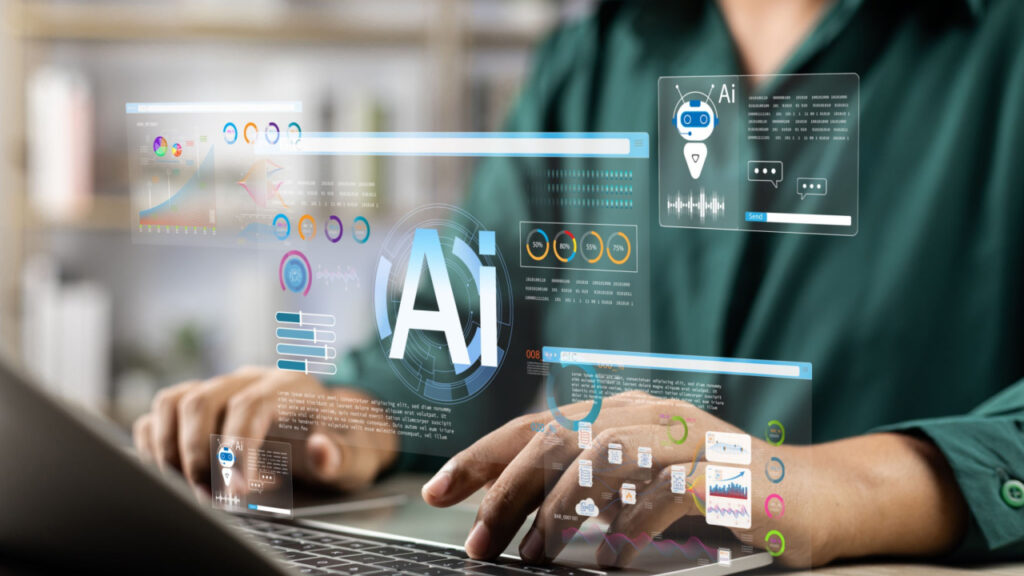
Artificial intelligence is gradually redefining what it means to teach and learn. In practical terms, it can help teachers track student progress, identify learning gaps, and tailor lessons to individual needs.
For students, it opens up opportunities for more personalised and engaging learning experiences. Instead of a one-size-fits-all approach, AI makes it possible to adapt teaching to different learning styles and speeds.
However, the integration of AI into education also comes with important considerations. Experts have pointed out issues such as data privacy, ethical use, and the risk of over-reliance on technology. These concerns highlight the need for proper training, not just in using AI tools, but in understanding their limitations.
This is where initiatives like Lagos’ teacher training programme become particularly relevant. By building teachers’ capacity, the state is trying to ensure that technology enhances education rather than complicates it.
There is also a broader national context. Nigeria has been making efforts to build a digital workforce, with programmes aimed at developing skills in areas like artificial intelligence, software development, and data science. Training teachers aligns with this vision, as schools play a key role in shaping future talent.
The bigger picture for Nigeria’s education future
Lagos often sets the pace for policy innovation in Nigeria, and this move could influence other states to follow a similar path. If successfully implemented, the training programme could mark the beginning of a more technology-driven education system across the country.
However, challenges remain. Infrastructure gaps, limited access to devices, and uneven internet connectivity continue to affect many schools. There is also the issue of ensuring that all teachers, regardless of location or background, have equal access to training opportunities.
Despite these hurdles, the direction is clear. Education is becoming increasingly digital, and teachers must evolve alongside it. Programmes like this are not just about learning new tools, but about redefining the role of teachers in a digital age.
For many educators, this transition may feel demanding. But it also presents an opportunity to improve teaching outcomes, engage students more effectively, and stay relevant in a changing world.
As Lagos pushes forward with its digital learning agenda, one thing is evident: the classroom of the future is already taking shape, and teachers are at the centre of that transformation.
Join Our Social Media Channels:
WhatsApp: NaijaEyes
Facebook: NaijaEyes
Twitter: NaijaEyes
Instagram: NaijaEyes
TikTok: NaijaEyes