
Nigeria’s Federal Government has announced a major shift in how education funding will be planned and distributed, moving toward a system that relies on data, performance outcomes, and real-time evidence to guide investment decisions. The reform is designed to strengthen accountability in the education sector and ensure that limited resources are directed to where they are most needed across the country.
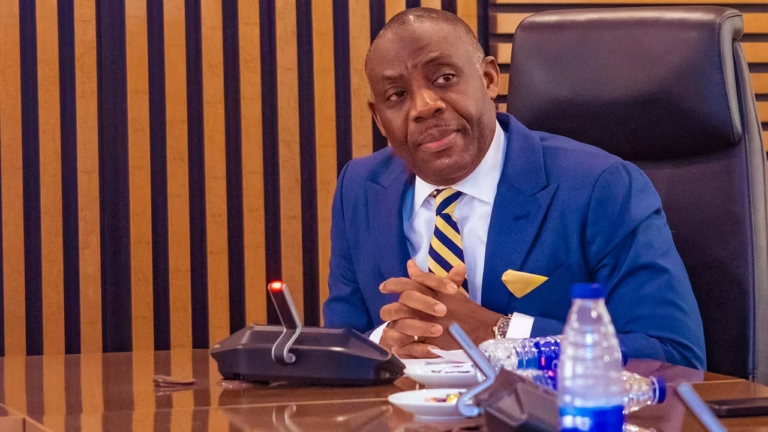
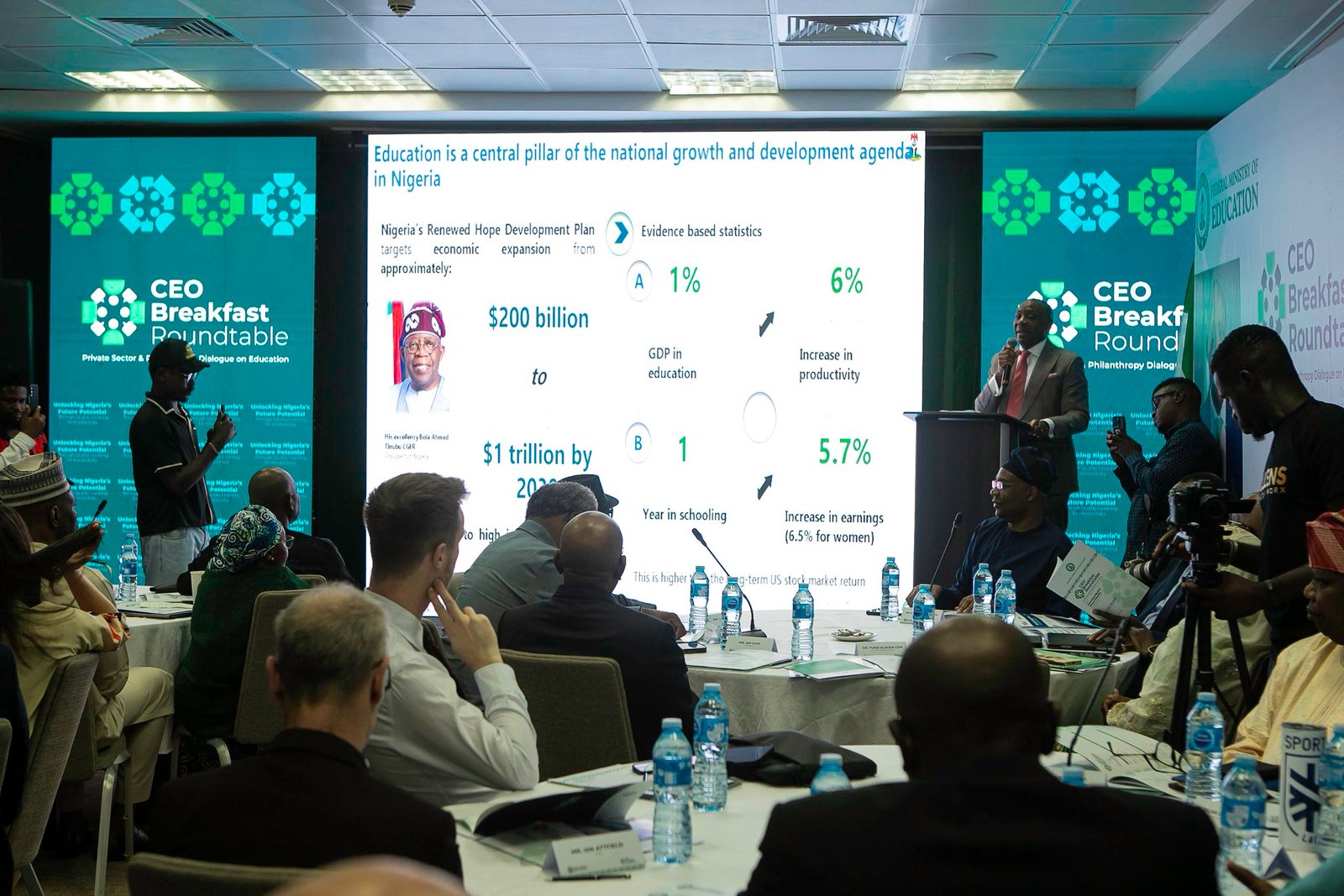
The announcement was made in Abuja during a national stakeholders’ engagement on the Nigeria Education Data Initiative, a platform created to improve how education data is collected, analysed, and used for policy decisions. The Minister of Education, Dr Tunji Alausa, said the new approach marks a turning point in Nigeria’s long-standing struggle with inefficient education planning and uneven resource allocation.

FG pushes data-driven reforms to fix long-standing education challenges
For many years, Nigeria’s education sector has faced familiar problems that include inconsistent funding, weak infrastructure, overcrowded classrooms, and unequal access to quality learning opportunities between urban and rural areas. Policy makers have often relied on broad estimates rather than detailed, real-time data when making funding decisions.
With the new model, the government is aiming to change that pattern. The idea is simple but powerful. Instead of distributing funds based mainly on historical budgets or general assumptions, investments will now be guided by verified data such as school enrolment figures, learning outcomes, teacher distribution, infrastructure gaps, and regional performance indicators.
According to education officials, this shift is expected to reduce waste, improve transparency, and ensure that schools with the greatest needs receive priority attention. It also supports a wider reform agenda focused on improving learning outcomes rather than just increasing spending.
The Ministry of Education explained that the Nigeria Education Data Initiative will serve as a central intelligence system for tracking progress in schools across all levels, from basic education to tertiary institutions. This will help the government identify underperforming regions faster and respond with targeted interventions.
Back story: Why Nigeria is shifting toward data-driven education planning
The move toward data-driven education reform did not happen overnight. It is the result of years of concern over Nigeria’s education outcomes, rising population pressure, and persistent gaps in planning efficiency.
Nigeria operates one of the largest education systems in Africa, with millions of learners spread across primary, secondary, and tertiary institutions. However, funding decisions have historically struggled to keep pace with population growth and changing educational needs.
In previous years, education budgets were often criticised for not reflecting actual classroom realities. Some schools were overcrowded while others had underutilised resources. Rural communities frequently experienced shortages of teachers and infrastructure, while urban centres faced pressure from rising enrolment.
The Federal Government has also been under pressure to align education spending with measurable results. Global trends in education reform increasingly emphasise data analytics, performance tracking, and evidence-based planning. Countries that have adopted similar systems have been able to improve efficiency by ensuring that funds directly address identified gaps.
Nigeria’s renewed focus on education data is also linked to broader national development goals. Education is seen as a foundation for economic growth, youth employment, and innovation. Without accurate data, experts argue that it becomes difficult to design policies that truly reflect the needs of students and teachers.
The introduction of initiatives such as the Nigeria Education Data Initiative reflects a growing recognition that modern education systems require digital tools, structured data collection, and continuous monitoring to function effectively.
What the new funding model means for schools, teachers and students
The shift to a data-driven funding system is expected to reshape how schools are supported across the country. For schools, it may mean more targeted funding based on actual needs rather than uniform allocations. Schools with higher student populations, infrastructure deficits, or learning challenges could receive increased attention.
Teachers may also benefit indirectly through improved resource allocation, training opportunities, and better classroom support systems. By identifying gaps in staffing and performance, the government can deploy teachers more strategically to areas where they are most needed.
For students, the long-term goal is improved learning outcomes. With better tracking systems in place, challenges such as low literacy levels, poor exam performance, and dropout rates can be identified earlier and addressed more effectively.
Education analysts believe that the success of the model will depend heavily on the quality of data collected and the capacity of institutions to use it correctly. Reliable digital infrastructure, training for education managers, and strong coordination between federal and state governments will be critical.
There is also an expectation that the system will help Nigeria better manage large-scale challenges such as out-of-school children, regional disparities, and infrastructure deficits. By using data as a guiding tool, the government hopes to move from reactive decision-making to proactive planning.
Looking ahead: Can data reshape Nigeria’s education future
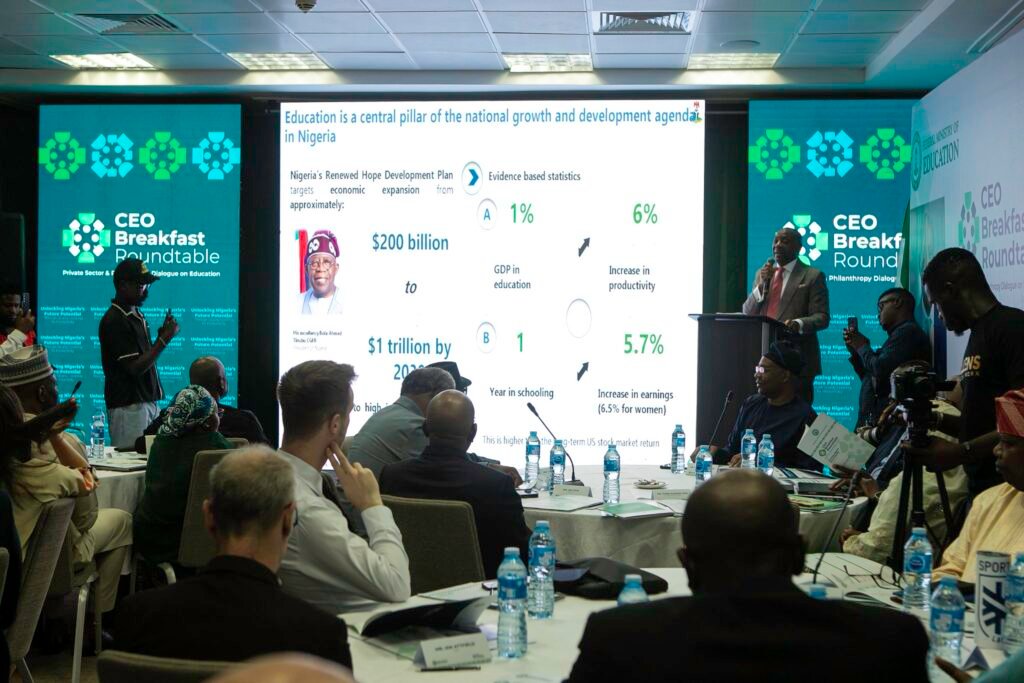
The introduction of a data-driven funding model represents one of the most significant education policy shifts in recent years. It signals a move toward a more modern, transparent, and accountable system that prioritises measurable outcomes.
However, experts also note that implementation will be key. Nigeria’s education system is highly diverse and complex, with variations across states, local governments, and institutions. For the reform to succeed, strong political will, consistent funding, and sustained investment in digital systems will be required.
If properly implemented, the model could help Nigeria close long-standing gaps in education quality and access. It could also support broader national ambitions around digital transformation, skills development, and economic competitiveness.
As the country continues to invest in education reform, stakeholders are watching closely to see whether data-driven planning will finally deliver the efficiency and impact that the sector has long needed.
For now, the message from the government is clear. The future of education funding in Nigeria will no longer rely on guesswork. It will rely on data, evidence, and results.
Join Our Social Media Channels:
WhatsApp: NaijaEyes
Facebook: NaijaEyes
Twitter: NaijaEyes
Instagram: NaijaEyes
TikTok: NaijaEyes