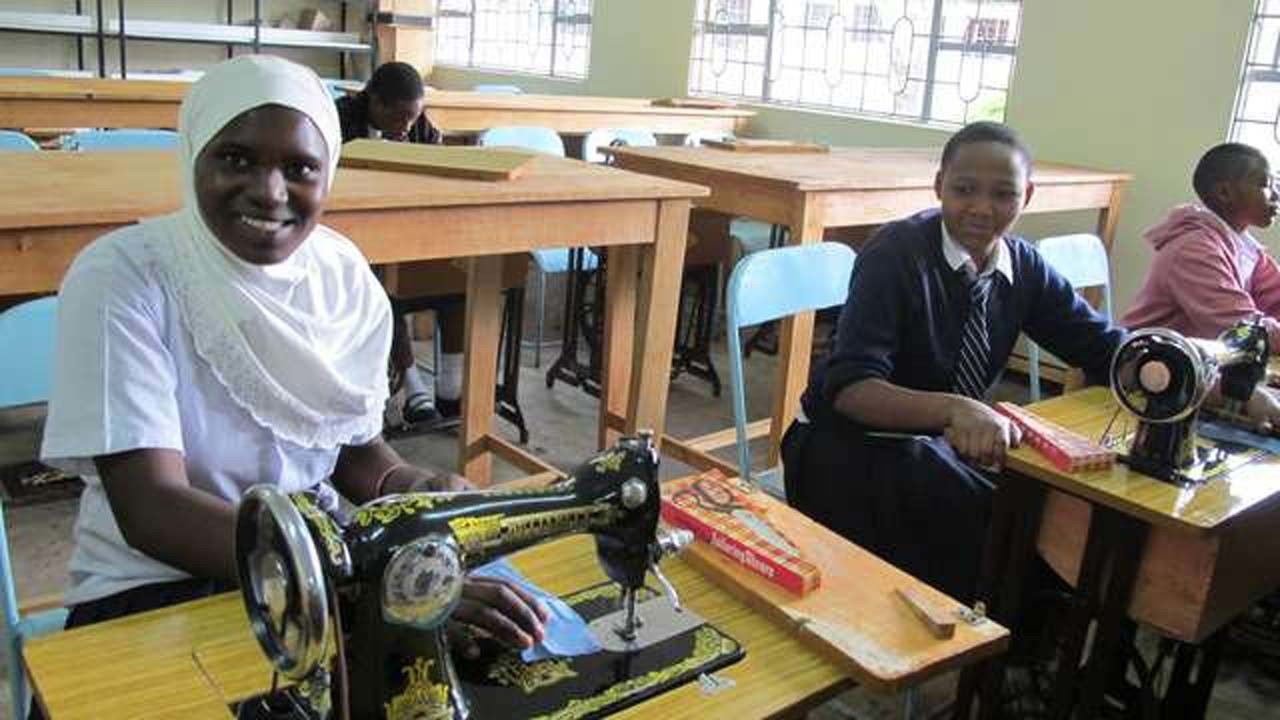

Nigeria’s education system is facing a quiet but urgent question: are students being prepared for real life or just examinations? Across classrooms, the focus remains heavily on theory, while the economy increasingly rewards practical ability. As youth unemployment rises and industries struggle to find skilled workers, experts and educators are calling for a shift. They argue that vocational skills should no longer be an afterthought but a foundation introduced early in secondary school.
This push is not simply about carpentry, tailoring or mechanics. It is about reshaping how young Nigerians think about work, creativity and self-reliance. Evidence from education research shows that vocational learning equips students with practical abilities, builds confidence and prepares them for diverse career paths beyond traditional white-collar roles. For a country with a growing youth population, the stakes are too high to ignore.
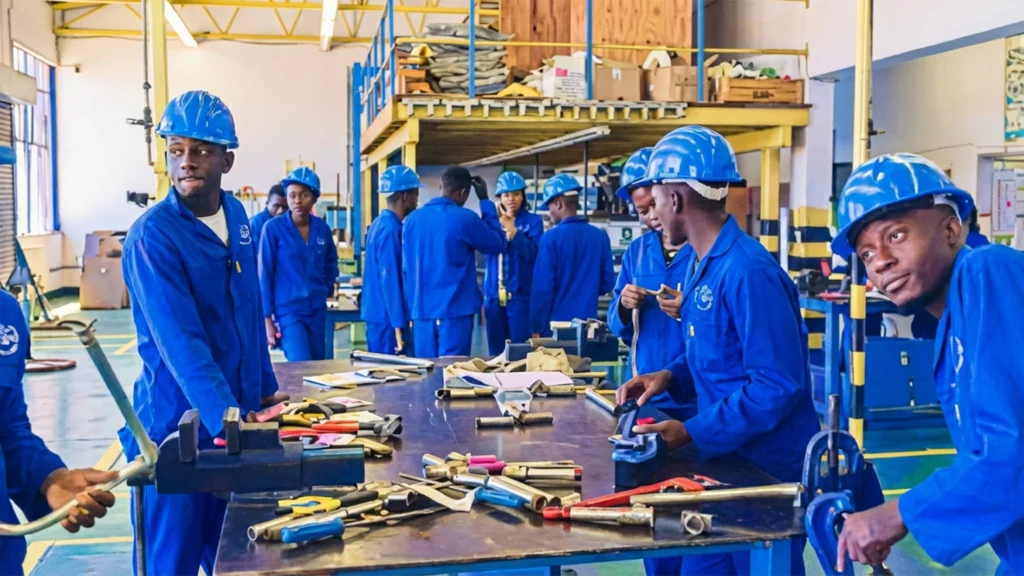
A System Under Pressure to Deliver More Than Certificates
For decades, Nigeria’s formal education has leaned towards academic achievement as the primary measure of success. Students are trained to pass exams, secure university admission and pursue professional careers. While this path has value, it leaves a significant gap. Many graduates enter the labour market without hands-on skills that match industry needs.
Scholars note that vocational education is specifically designed to prepare individuals for employment through practical training and skill acquisition. Yet, in many secondary schools, exposure to such training is minimal or delayed until later stages of education, if it happens at all.
This disconnect has real consequences. Employers often report a shortage of technically skilled workers, while young people struggle to find jobs. Research highlights that a lack of marketable skills contributes to unemployment and poverty, reinforcing cycles that education should ideally break.
Introducing vocational skills earlier could change this narrative. Instead of waiting until post-secondary institutions, students would begin to understand practical work, entrepreneurship and innovation from a young age. It would shift the system from producing job seekers alone to nurturing job creators.
Early Exposure Builds Confidence, Creativity and Opportunity
There is something transformative about learning by doing. When students engage in hands-on activities such as electrical work, coding, agriculture or creative crafts, they begin to see immediate results of their effort. This kind of learning builds confidence and problem-solving ability in ways textbooks alone cannot.
Educational studies show that vocational training enhances critical thinking, boosts self-esteem and helps students develop entrepreneurial skills. These are not soft benefits. They are essential tools for navigating an unpredictable economy.
Early exposure also allows students to discover their strengths sooner. A teenager who learns basic carpentry or digital design in junior secondary school may identify a talent that shapes their future career. Without that opportunity, such potential might remain hidden.
In many parts of Nigeria, informal apprenticeship systems already demonstrate the power of early skill acquisition. Historically, vocational learning began within families and communities, where children were taught trades that ensured survival and economic contribution. Bringing a modern version of this into schools could bridge tradition and innovation.
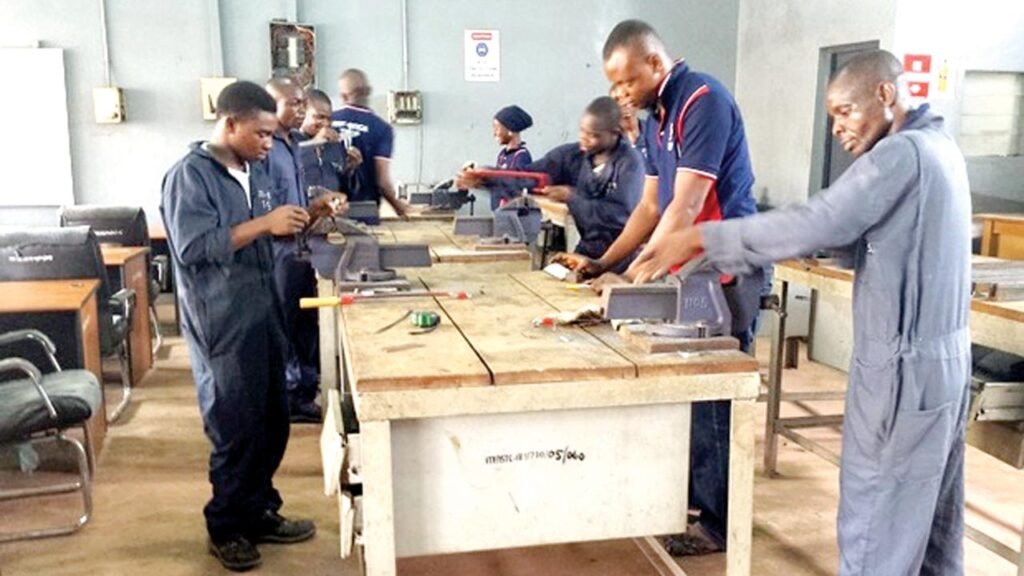
Economic Growth Depends on Skills, Not Just Degrees
Nigeria’s ambition for industrial growth and economic diversification depends heavily on its workforce. Industries require technicians, artisans, innovators and entrepreneurs who can translate ideas into tangible products and services.
Experts argue that vocational education plays a critical role in national development by providing the skills needed for productivity and economic expansion. Without a strong pipeline of skilled individuals, the country risks relying on imported expertise while local talent remains underutilised.
Starting vocational training earlier in secondary schools would create a steady flow of skilled young people ready to contribute to various sectors. From construction and manufacturing to technology and agriculture, the impact would be widespread.
It would also encourage self-employment. Many vocational skills naturally lend themselves to small business creation. A student trained in fashion design, phone repair or digital media can begin earning income even before completing formal education. This reduces dependency on scarce formal jobs and supports grassroots economic activity.
Rethinking Perception and Policy in Nigerian Education
Despite its importance, vocational education still suffers from perception challenges. It is often viewed as a second option for those who do not excel academically. This mindset discourages students and parents from embracing it fully.
Changing this narrative requires deliberate policy action and cultural shift. Integrating vocational subjects into the core secondary school curriculum would signal their importance. Providing modern equipment, trained instructors and industry partnerships would ensure quality delivery.
Research also highlights that vocational education has long been undervalued due to historical factors, including colonial education models that prioritised literary learning over practical skills. Addressing this legacy means redefining what success looks like in education.
Teachers play a key role as well. When educators present vocational learning as innovative and future-focused, students are more likely to engage with it seriously. Schools that combine theory with practice create a more balanced and effective learning environment.
Parents and communities must also be part of the conversation. Encouraging young people to explore skills alongside academics can open doors that traditional paths alone may not provide.
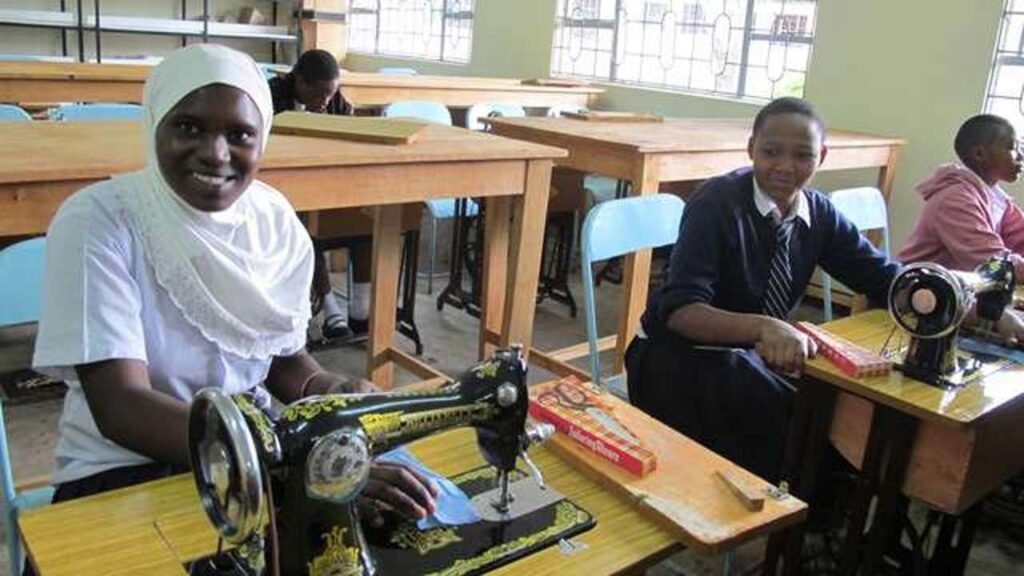
Back Story: How Nigeria Got Here
The roots of vocational education in Nigeria go back to pre-colonial times, when skills were passed down through apprenticeship within families and communities. Children learned trades such as weaving, farming, blacksmithing and craftwork as part of everyday life.
However, the colonial education system shifted the focus towards formal academic learning. Schools emphasised reading, writing and clerical skills, preparing students for administrative roles rather than technical work. Over time, this created a divide between academic education and practical skills.
Post-independence policies attempted to reintroduce vocational training, particularly through systems like the 6-3-3-4 structure, which aimed to include technical education at the secondary level. While the intention was strong, implementation has faced challenges such as inadequate funding, lack of facilities and societal attitudes that favour university degrees.
Today, the conversation is returning to its roots, with renewed urgency. As the economy evolves and global trends emphasise skills over certificates, Nigeria is once again recognising the value of practical education. The difference now is the opportunity to integrate it fully into modern schooling, rather than treating it as an add-on.
Join Our Social Media Channels:
WhatsApp: NaijaEyes
Facebook: NaijaEyes
Twitter: NaijaEyes
Instagram: NaijaEyes
TikTok: NaijaEyes