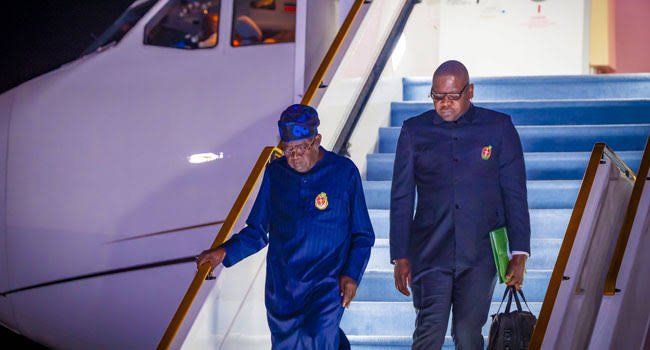
Nasir Ahmad El-Rufai, the former governor of Kaduna State, gave an explanation for his refusal to respond to enquiries from the Independent Corrupt Practices Commission (ICPC), stating that his silence was a constitutional privilege rather than a sign of defiance.
On February 19 and 20, 2026, El-Rufai, who is presently being investigated by the anti-graft agency, gave two handwritten statements to ICPC agents while being cautious and with his attorney, Ubong E. Akpan, present.
The former governor stated in the statements that he would only answer any accusations in a court of law and maintained that the investigation against him was politically motivated.
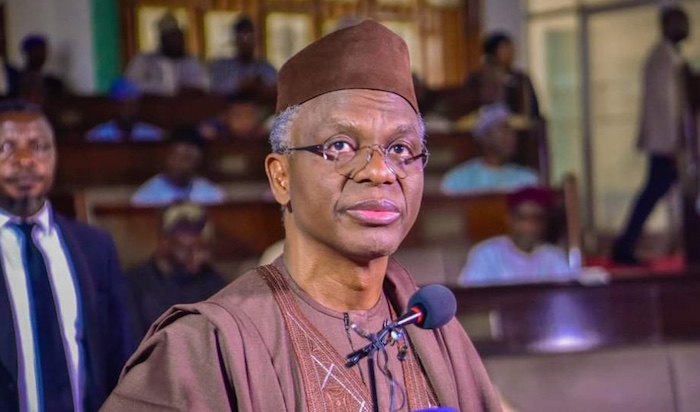
He contended that rather than questioning him further, the panel ought to put its conclusions before a court after nearly two years of investigations.
In his first statement dated February 19, the former governor wrote: “I have read the above cautionary statement and I understand its meaning and implication. I wish to voluntarily state, in the presence of my lawyer, Ubong Akpan, Esq., from the chambers of Ubong Akpan.
“My name is Nasir Ahmad El-Rufai. I was born in Dandawa, Katsina State, in 1960, and grew up mostly in Kaduna State.
Read Also: El-Rufai’s N1bn rights suit against ICPC, others crashes amid service failure

“I attended school in Kaduna, and went to Ahmadu Bello University from my first degree in Quantity Surveying. I also attended Harvard university and the University of London, among others. I studied Business Administration, Public Administration and Law, Public Administration and Law.
“My working career spans quantity surveying consulting, mobile telecommunications and public service. I was Director General of the Bureau of Public Enterprises (1999–2003), Minister of the Federal Capital Territory (2003–2007) and twice- elected Governor of Kaduna State (2015–2023). I am retired and live mostly in Egypt with half of my family and 96-year-old mother.
“I am a leading member of the African Democratic Congress (ADC), the only surviving opposition party in Nigeria, which is the real reason you are investigating me.
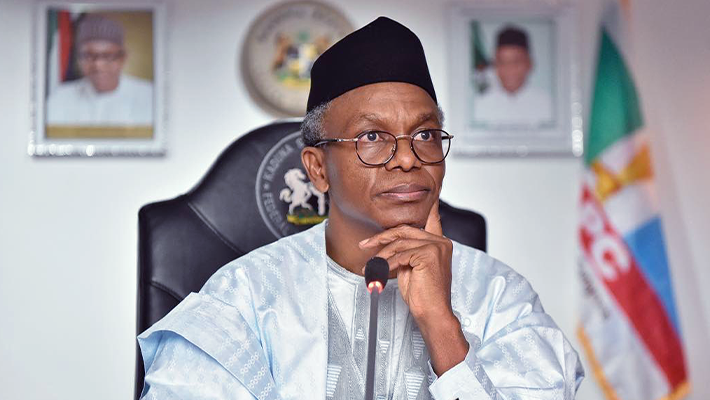
“In response to your question (and indeed all your questions), I have, on the advice of counsel, decided to exercise my right to silence. I will make no further statement or respond to any question. I believe that after nearly two years of intensive investigation, the ICPC should present its findings to a judicial tribunal and not to me. I will respond to any allegations in a court of law only.
“This is because I do not believe these investigations amount to lawful entitlement, as in political persecution, which only a judge can decide upon. Thank you.”
El-Rufai reiterated his stance in a follow-up statement on February 20, 2026, following the presentation of more papers by investigators.
Join Our Social Media Channels: