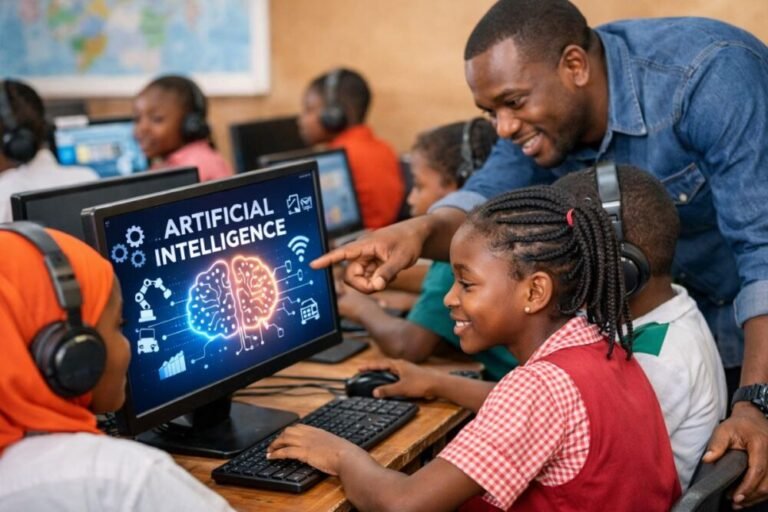

The future of university education in Nigeria is quietly shifting, and at the centre of the conversation is a question that once sounded impossible. Can Nigerian universities function effectively without physical lectures by the year 2030? What used to be an emergency response during disruptions like COVID-19 has now become a serious policy debate among educators, students, and government stakeholders.
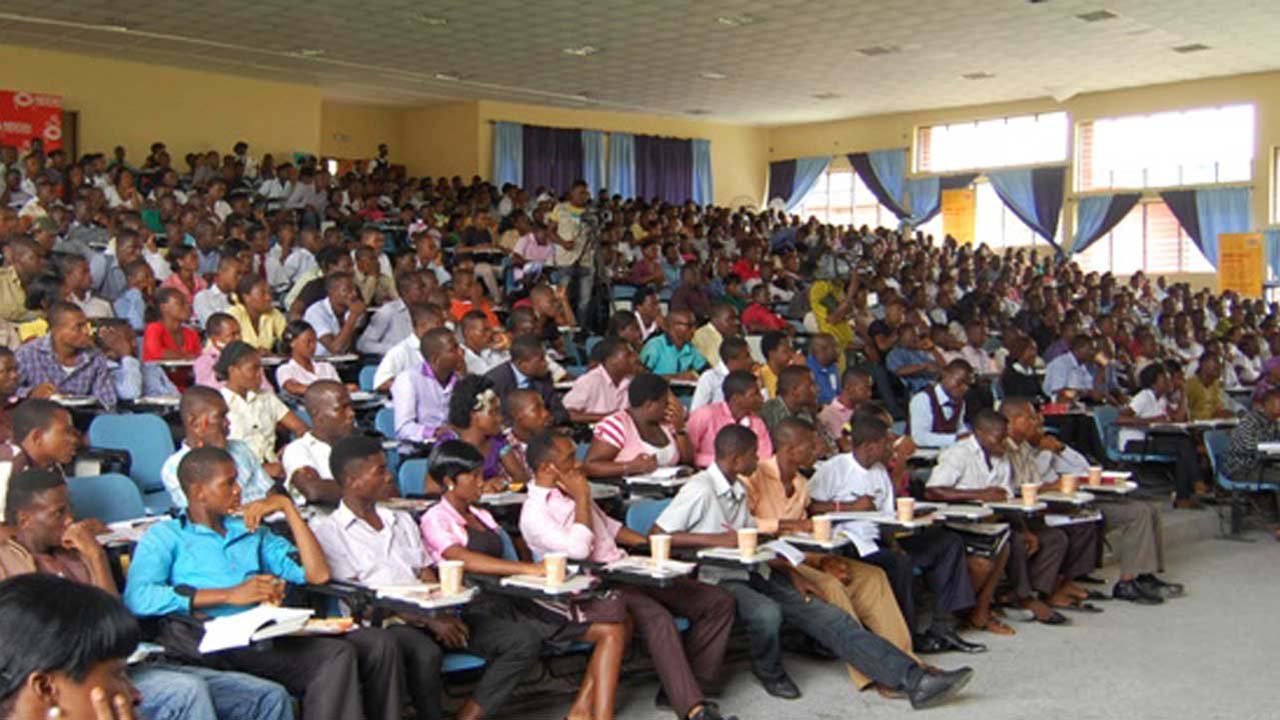
Across the country, lecture halls still define the university experience. Crowded classrooms, physical attendance registers, and face-to-face teaching remain the dominant model. Yet, beneath that familiar structure, there is growing pressure from technology, economic realities, and changing student expectations. The idea of a university without physical lectures is no longer abstract. It is already being tested in parts of the system.
Recent discussions among education experts suggest that Nigeria cannot ignore this shift. Analysts warn that universities risk becoming irrelevant if they fail to embrace digital learning models and modern teaching approaches that prioritise skills and innovation over rigid classroom structures.
The Rise of Digital Learning in Nigerian Universities
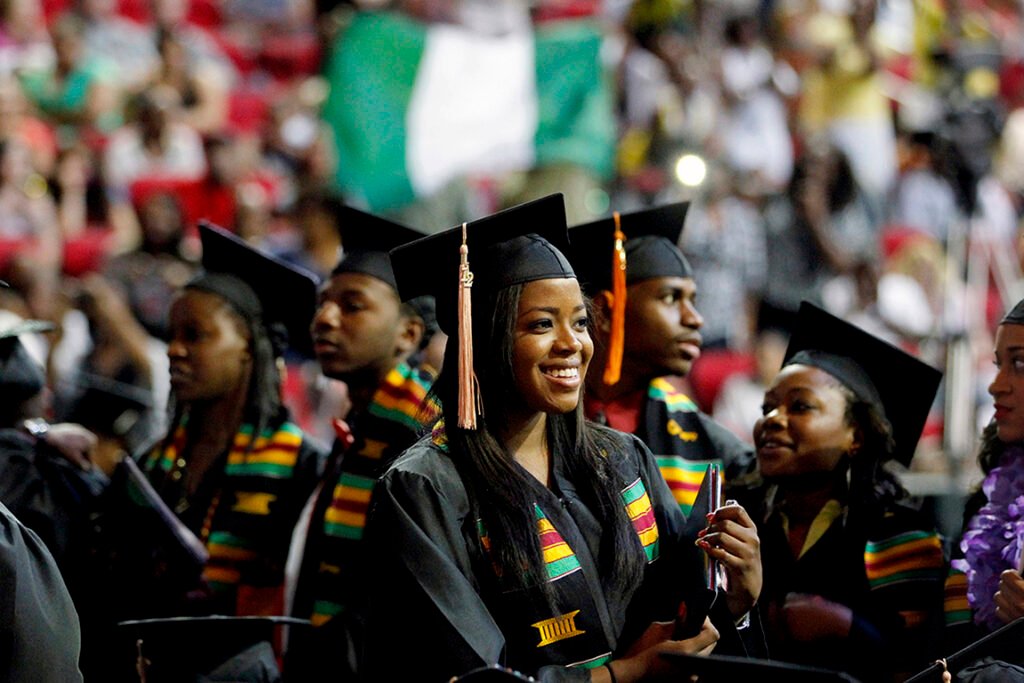
Nigeria already has a working example of a university system that operates largely without traditional classrooms. The National Open University of Nigeria has built a model around distance learning, allowing students to study from different locations with minimal reliance on physical lectures.
This approach has proven that learning can happen outside the four walls of a lecture theatre. With hundreds of thousands of students enrolled, the system shows that access to education can expand when physical limitations are removed.
Beyond open universities, many conventional institutions have started experimenting with hybrid learning. Online portals, recorded lectures, and virtual classrooms are gradually becoming part of the academic experience. The shift is being driven not just by technology, but by necessity.
Strikes, which have repeatedly disrupted academic calendars, have forced students to reconsider the reliability of traditional systems. In some cases, universities have remained shut for months, leaving students idle and uncertain about their academic future.
For many students, the appeal of digital learning is simple. It offers continuity. When physical campuses shut down, online systems can keep education going.

The Reality Check: Infrastructure and Readiness
Despite the promise of a lecture-free system, Nigeria faces significant barriers that cannot be ignored. The biggest challenge is infrastructure.
Research has consistently shown that many Nigerian universities lack the facilities needed to support effective teaching and learning, even in physical settings. Issues such as inadequate funding, poor equipment, and limited access to modern technology continue to affect the quality of education.
When it comes to online learning, the gap becomes even more obvious. Studies indicate that many institutions do not have the required digital infrastructure, internet capacity, or technical skills to run fully online systems effectively.
There is also the issue of digital inequality. While some students can easily access laptops, stable internet, and digital tools, many others struggle with basic connectivity. In a country where power supply and internet access are still inconsistent, a complete shift away from physical lectures could deepen existing inequalities.
Lecturers, too, face challenges. Not all academic staff are trained to deliver engaging online lessons. Transitioning from traditional teaching methods to digital platforms requires new skills, time, and institutional support.
What Students and Lecturers Are Really Saying
Beyond policy debates and research findings, the lived experiences of students and lecturers tell a more complex story.
Many students describe Nigerian university life as a mix of resilience and frustration. Overcrowded lecture halls, limited learning resources, and frequent disruptions have shaped their academic journey. Some even question whether the system is truly designed for learning or simply for endurance.
At the same time, there is a strong cultural attachment to physical learning. For many, university is not just about academics. It is about community, interaction, and personal growth. Removing physical lectures entirely could strip away an important part of that experience.
Lecturers also raise concerns about the quality of education in a fully online system. Practical courses, laboratory work, and certain forms of assessment still require physical presence. Without these elements, there is a risk of producing graduates who lack hands-on experience.
However, there is also growing acceptance that the current system is not sustainable. Frequent strikes, brain drain, and declining academic standards have created a sense of urgency for reform.
The Road to 2030: A Hybrid Future, Not a Complete Shift
The idea that Nigerian universities will completely eliminate physical lectures by 2030 is unlikely. What is more realistic is a hybrid system that combines the best of both worlds.
In this model, physical lectures will not disappear, but they will no longer be the centre of the learning experience. Instead, digital platforms will take on a larger role, offering flexibility, accessibility, and continuity.
Universities that embrace this shift early are likely to gain a competitive advantage. Newer institutions are already positioning themselves around innovation, technology, and skills-based education, signalling a gradual transformation of the sector.
The push for a more flexible system is also aligned with broader changes in global education. There is increasing emphasis on lifelong learning, digital skills, and student-driven education. Nigeria cannot afford to be left behind.
Still, for this transition to succeed, several issues must be addressed. Investment in infrastructure is critical. Universities need reliable internet, digital tools, and modern learning platforms. Lecturers must be trained to deliver high-quality online education. Students must be supported with access to devices and connectivity.
Most importantly, there must be a shift in mindset. Education should not be defined by physical presence alone. Learning is evolving, and universities must evolve with it.
By 2030, Nigerian universities may not be fully lecture-free, but they will almost certainly look very different from what they are today. The question is no longer whether change will happen. It is whether the system will be ready for it.
Join Our Social Media Channels:
WhatsApp: NaijaEyes
Facebook: NaijaEyes
Twitter: NaijaEyes
Instagram: NaijaEyes
TikTok: NaijaEyes