
In a global tech ecosystem often dominated by Silicon Valley headlines, a Nigerian developer is quietly rewriting the narrative. What began as a personal experiment in artificial intelligence has evolved into a tool now being used by engineers linked to one of the world’s most influential venture capital firms, Andreessen Horowitz.
At the centre of this story is Sampson Ovuoba, a developer whose work reflects a growing shift in global innovation. Rather than waiting for access to elite infrastructure or funding, he built from constraint, leveraging open-source tools, curiosity, and persistence to create something globally relevant. According to recent reports, his AI solution has found adoption among engineers associated with a16z, a firm known for backing some of the most transformative technology companies in the world.
This development is not just about individual success. It signals a broader moment for Nigerian and African tech talent, showing that world-class tools can emerge from environments often underestimated in global innovation conversations.
Building an AI Tool Without Borders
Ovuoba’s journey reflects a pattern increasingly common among Nigeria’s new generation of developers. Without access to large venture funding or cutting-edge labs, many rely on open ecosystems and community-driven learning to build impactful solutions.
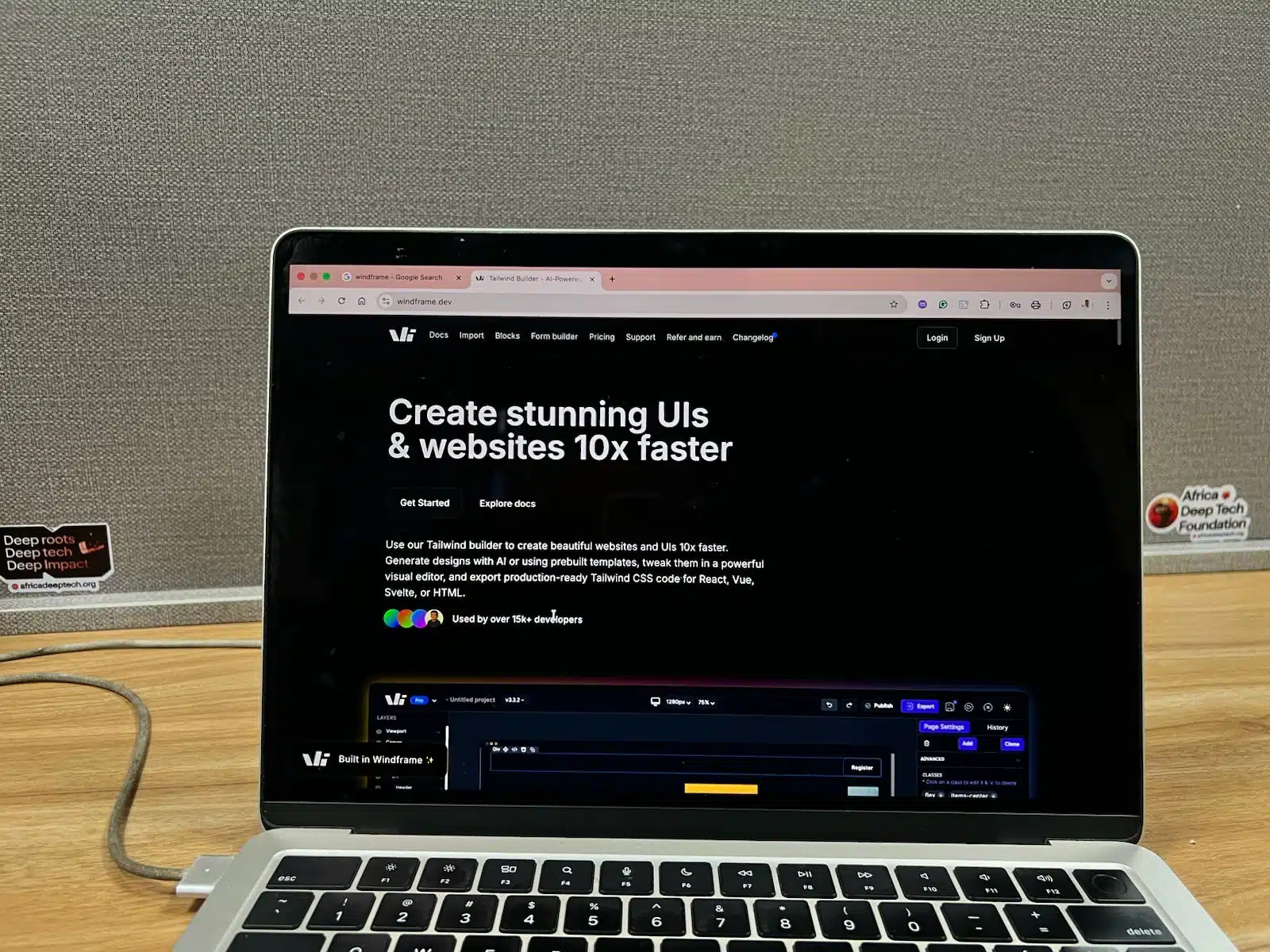
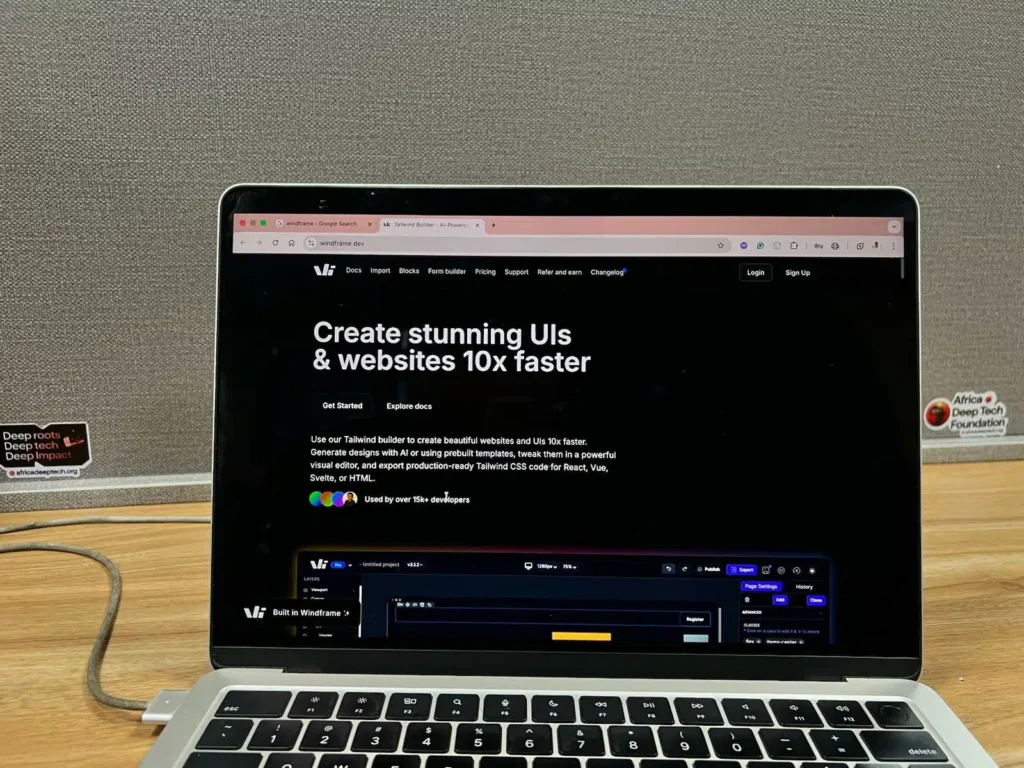
His AI tool reportedly focuses on enhancing developer productivity, aligning with a broader trend in the global tech space where artificial intelligence is reshaping how software is built. Tools like these are designed to automate repetitive coding tasks, streamline workflows, and allow engineers to focus on more complex problem-solving.
This aligns with how leading firms approach internal tooling. Research from Andreessen Horowitz highlights how AI-powered tools are increasingly used to prototype applications quickly, automate internal processes, and improve engineering efficiency.
What makes Ovuoba’s work particularly noteworthy is that it sits within this same ecosystem of innovation, yet originates from Nigeria. It shows that the distance between Abuja, Lagos, or Enugu and Silicon Valley is no longer a barrier in the age of distributed talent.
Across Africa, similar stories are emerging. Developers are building tools that optimise hardware performance, expand access to computing, and lower the cost of innovation for others. These efforts are not isolated. They are part of a larger movement where African engineers are contributing meaningfully to global technological infrastructure.

Why Global Engineers Are Paying Attention
The adoption of Ovuoba’s tool by engineers linked to a16z is significant for several reasons. First, it validates the technical quality of the work. Engineers operating within top-tier venture ecosystems typically rely on tools that meet high standards of reliability, scalability, and efficiency.
Second, it reflects a shift in how talent is discovered. In the past, geographical location often determined visibility. Today, platforms like GitHub, developer communities, and open-source contributions allow anyone to showcase their work globally.
This shift is already transforming hiring and collaboration models. Companies are increasingly sourcing talent from across the world, including Africa, through platforms that match developers with international opportunities. Organisations like Andela have played a key role in bridging this gap, connecting African engineers with global teams and projects.
The rise of AI has accelerated this trend. As companies race to build smarter systems, they are more open than ever to adopting tools that deliver results, regardless of where they originate.
For Nigerian developers, this creates a unique opportunity. Instead of competing only within local markets, they can build for a global audience from day one.
A Signal for Nigeria’s Tech Future
Ovuoba’s story is more than a personal milestone. It is a signal of what is possible when talent meets opportunity, even in resource-constrained environments.
Nigeria has long been recognised for its vibrant tech ecosystem, driven by a young population and increasing internet penetration. However, challenges such as limited infrastructure, funding gaps, and policy uncertainty have often slowed progress.
Yet, stories like this suggest a different trajectory. They highlight a future where innovation is not defined by geography but by creativity and execution.
AI, in particular, is proving to be a powerful equaliser. With access to open-source models and cloud-based tools, developers can build sophisticated systems without needing massive capital. This democratisation of technology is allowing more people to participate in shaping the future of software.
There is also a growing cultural shift within Nigeria’s tech community. Developers are no longer just consumers of global technology. They are becoming creators, contributors, and, increasingly, leaders in niche areas of innovation.
For young Nigerians learning to code today, this story carries an important message. The path to global impact no longer requires relocation or elite connections. It requires skill, consistency, and the willingness to build.
The Road Ahead for African AI Innovation
While the recognition of Ovuoba’s work is a major milestone, it also raises important questions about sustainability and scale. Building a successful tool is one thing. Maintaining and growing it to serve a global user base is another challenge entirely.
Issues such as infrastructure reliability, funding, and access to advanced computing resources remain critical. However, these challenges are not insurmountable. In fact, they are driving a unique kind of innovation focused on efficiency and adaptability.
Across Africa, developers are already finding ways to build high-impact solutions with limited resources. From AI systems tailored to local languages to tools that optimise hardware performance, the continent is carving out its own space in the global tech landscape.
The next phase will likely involve stronger collaboration between local talent and global institutions. As more African developers gain visibility, opportunities for partnerships, investment, and knowledge exchange will continue to grow.
For firms like Andreessen Horowitz, this represents an opportunity to tap into a rapidly expanding talent pool. For Nigerian developers, it is a chance to move from the margins to the centre of global innovation.
In the end, the story of a Nigerian developer building an AI tool used by top engineers is not just about one individual. It is about a shift in perception, a breaking of barriers, and the emergence of a new generation of builders who are redefining what is possible.
As the world becomes more connected, stories like this will become less surprising and more expected. And when that happens, Nigeria’s place in the global technology conversation will no longer be questioned. It will be assumed.
Join Our Social Media Channels:
WhatsApp: NaijaEyes
Facebook: NaijaEyes
Twitter: NaijaEyes
Instagram: NaijaEyes
TikTok: NaijaEyes