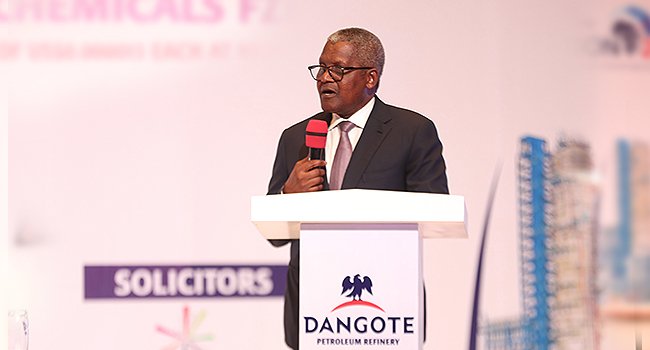
FG raises 2026 borrowing plan to N29.20 trillion as fiscal deficit widens
The economic realities facing Nigeria have taken a major turn as the Federal Government has significantly revised its borrowing target for the 2026 fiscal year to N29.20 trillion. This substantial increase comes on the heels of an expanded budget and a widening fiscal deficit.
For those monitoring the nation’s financial health, this sharp jump from the earlier projection of N17.89 trillion underscores the intense pressure on the country’s public finances.
This N11.31 trillion hike is not just an abstract collection of numbers on paper; it represents a tangible shift in how the government plans to fund its operations and developmental projects amidst tough economic circumstances.
Breaking down the massive gap between national revenue and public spending
The updated fiscal estimates, extracted from the 2026 Appropriation Bill and recent National Assembly deliberations, paint a very clear picture of the current financial situation. Total public expenditure is now projected at a massive N68.32 trillion, while expected revenues stand at N36.87 trillion.
This leaves a gaping hole—a fiscal deficit of N31.46 trillion. To bridge this gap, authorities have heavily relied on debt financing. While N36.87 trillion is expected from various sources like federation accounts and independent income, expenditure has simply outpaced these gains.
It is a classic case of the country’s needs growing much faster than its purse, making heavy borrowing an uncomfortable fallback option.
The heavy burden of debt servicing and infrastructure funding
Looking closely at the expenditure breakdown reveals where the money goes. Debt servicing alone is set to consume N15.81 trillion, making it one of the largest single components of the proposed budget.
Specifically, servicing domestic debts will require N10.16 trillion, while foreign debt obligations will take N5.36 trillion. This highlights the high cost of maintaining both local and external borrowings.
On a more positive note, the government has earmarked N32.29 trillion for capital expenditure, showing a strong commitment to infrastructure and development projects that the country desperately needs. However, the recurring question remains whether the heavy reliance on borrowing to fund these projects will create sustainable economic growth in the long run.
Strategic maneuvers to boost revenue and manage the growing debt
To cushion the effect of this heavy borrowing, lawmakers and fiscal authorities have proposed some strategic measures to ramp up independent revenue. A key part of the plan includes a proposed $10 per barrel increase in the oil benchmark, which is expected to generate an extra N2.592 trillion.
Lawmakers are also banking on the telecommunications sector, with projections suggesting that major players like MTN and Airtel will contribute significantly to company income tax. Despite these efforts to squeeze out more revenue, the National Assembly still approved an increase in external borrowing to close the gap. While officials argue that these debt levels remain manageable, many financial experts cannot help but feel concerned about the long-term impact on the economy.
Join Our Social Media Channels:
WhatsApp: NaijaEyes
Facebook: NaijaEyes
Twitter: NaijaEyes
Instagram: NaijaEyes
TikTok: NaijaEyes