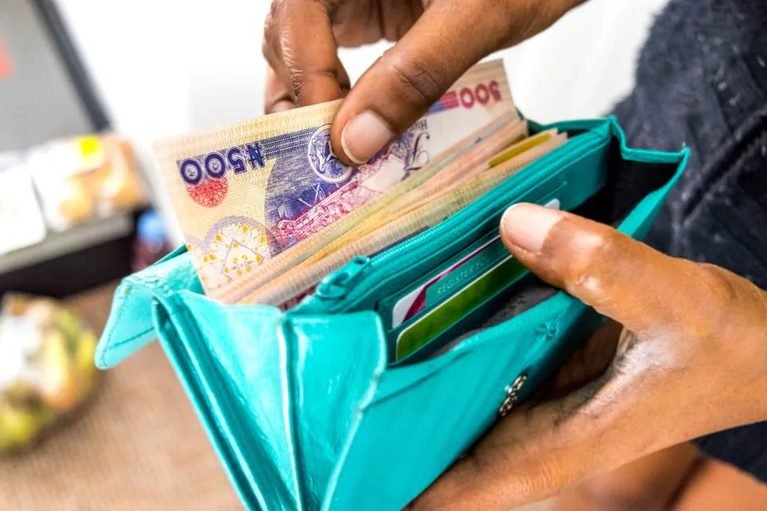
The Naira’s Steady Climb: Local Currency Gains Ground Against the Dollar
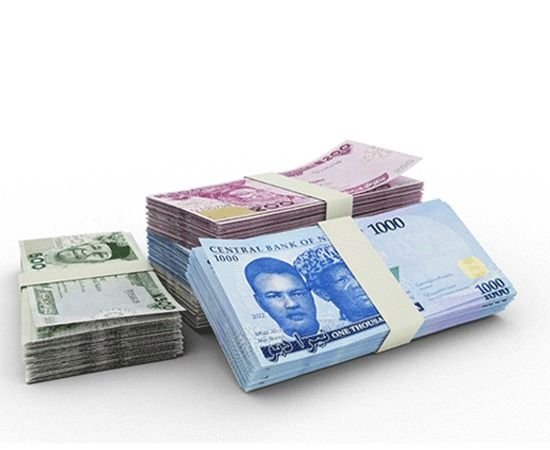
The Nigerian Naira is showing a refreshing level of resilience this week. In a market often characterized by volatility, the local currency has extended its winning streak. Recent data from the official trading window shows the Naira strengthening to N1,362 per US Dollar.
This move represents a significant step away from the record lows seen earlier in the year. For business owners and households alike, this consistent appreciation offers a rare moment of cautious optimism in a challenging fiscal climate.
A New Wave of Market Confidence
This recent gain is not a random fluctuation. It is the result of a deliberate shift in market dynamics. Financial analysts point to a “liquidity boost” in the official NAFEX window as the primary driver.
The Central Bank has been more proactive in meeting the demand for foreign exchange. By ensuring that importers and manufacturers have access to dollars at official rates, the pressure on the parallel market has eased.
This stability is slowly restoring confidence among international investors. When the exchange rate becomes more predictable, it encourages the flow of foreign capital back into the country. We are seeing a reduction in the “panic buying” that usually plagues the forex market during times of uncertainty. If the current supply of dollars remains steady, the Naira may finally be finding a sustainable floor.
Impact on the Cost of Living
The strength of the Naira is about more than just numbers on a screen. It has a direct impact on the prices of everyday goods. Nigeria remains an import-dependent economy.
This means that a stronger local currency eventually leads to lower costs for imported food, fuel, and raw materials. While the transition from a stronger currency to lower shelf prices often takes time, the downward trend is a vital first step.
The “street” sentiment is also shifting. In the unofficial or parallel markets, the gap between official and black-market rates is narrowing. This convergence is a healthy sign for the economy.
It reduces the incentive to speculate in currency and ensures that more transactions occur within the regulated banking system. For the average Nigerian, a stable Naira means more predictable purchasing power and a slight reprieve from the biting effects of inflation.
Maintaining the Momentum
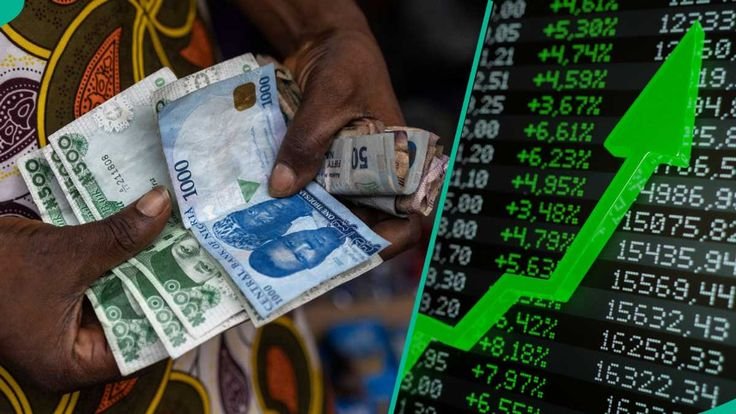
Looking forward, the challenge for policy makers is consistency. One week of gains is a victory, but the goal is long-term stability. The government must continue to find ways to boost non-oil exports to ensure a natural inflow of foreign exchange. Relying solely on Central Bank interventions is a short-term fix.
However, for now, the data is encouraging. The Naira’s climb to N1,362 shows that the structural reforms introduced over the last few months are starting to take hold.
As we move further into the second quarter of 2026, all eyes will be on the daily closing rates. If the Naira can maintain this trajectory, it could set the stage for a broader economic recovery that benefits every sector of the nation.
Naira gains against dollar May 2026
Join Our Social Media Channels:
WhatsApp: NaijaEyes
Facebook: NaijaEyes
Twitter: NaijaEyes
Instagram: NaijaEyes
TikTok: NaijaEyes